Official information
OPERA stands for Open-door Plasty for Early Recovery Approach.
Research and Devices
Information provided by: Wataru Narita (Kameoka Municipal Hospital Spine Center)
Page updated:
Research on the cervical OPERA method (MIST-OPERA / exLAP), device documents and development history, with links to original sources and the limits of the available evidence.
Sources
The hospital website covers the procedure, original papers report clinical research, and the package insert specifies the device's conditions of use.
OPERA stands for Open-door Plasty for Early Recovery Approach.
The 2024 paper by Yamane, Narita and colleagues is a technical note and preliminary analysis of acute postoperative outcomes in exLAP.
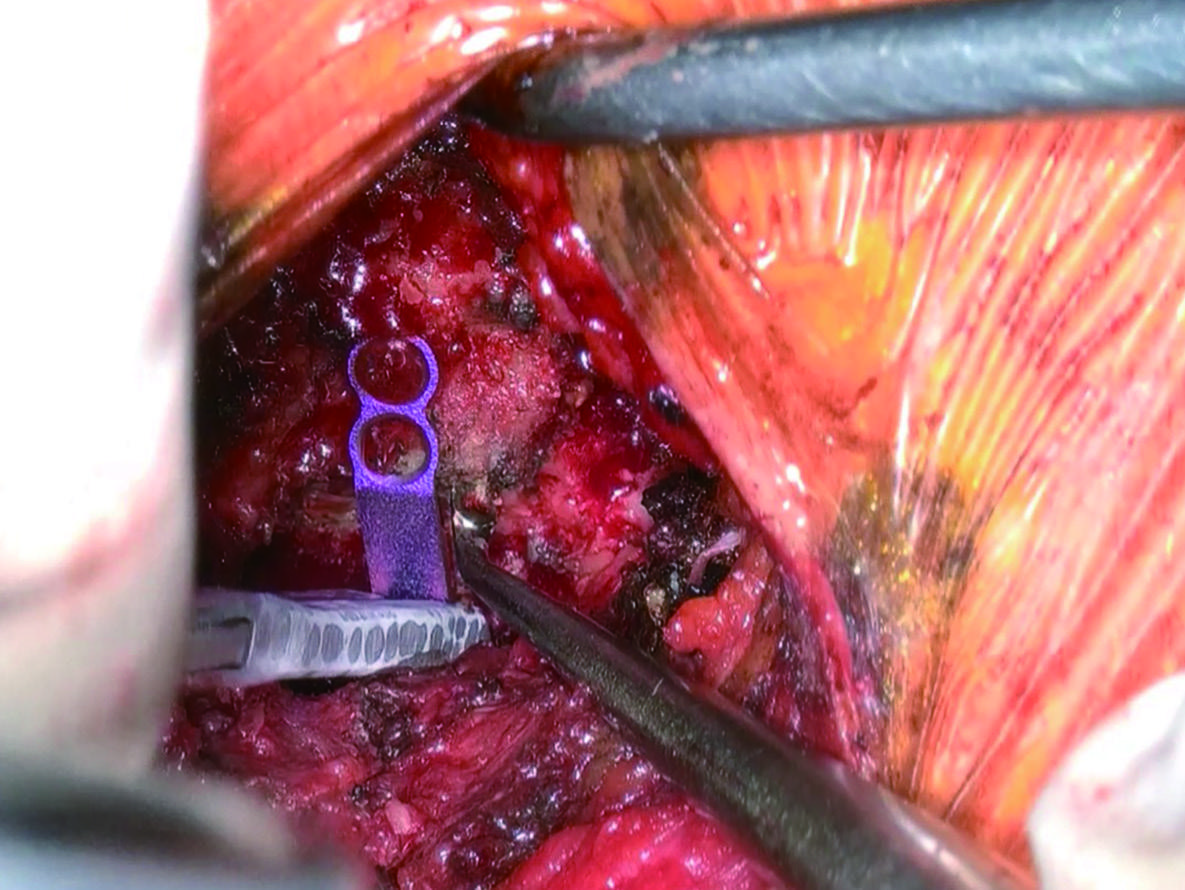
The Opera Laminoplasty System is a spinal internal fixation device that maintains the position of the opened lamina.
Wataru Narita began developing the cervical OPERA method alongside the Opera Laminoplasty System in 2020 (information provided by the developer). The device approval number is 30500BZX00045000. The first package insert is dated April 1, 2023, and the third edition June 20, 2025. These are document publication and revision dates, not the approval date.
Related Facilities
On this site, related facilities means hospitals where physicians who have received operative instruction from Wataru Narita are affiliated. It does not mean official certification, permanent availability of the OPERA method, or a designated referral destination. Formal names and brief access notes are aligned with each facility's official website.
Meaning
Actual consultation and referral availability, physicians, and clinic systems differ by facility. Please check each official website in advance.
Sendai, Miyagi
Shibuya, Tokyo
Ota, Tokyo
Mishima, Shizuoka
Okayama City
Kochi City
1711-1 Tamasu, Kita-ku, Okayama. Access from the Okayama Station area is mainly by bus or car; the official page provides bus, road, and parking information.
2-11-11 Kagitorihoncho, Taihaku-ku, Sendai. From Sendai Station, take a Miyagi Kotsu bus for about 30 minutes and get off at Sendai Nishitaga Hospital-mae, then walk about 5 minutes.
2125-1 Ike, Kochi City. About 15 minutes by taxi or about 30 minutes by bus from JR Kochi Station.
3-57-1 Yoyogi, Shibuya-ku, Tokyo. About 5 minutes on foot from Sangubashi Station on the Odakyu Line, or 8 minutes from JR Yoyogi Station.
2-20-25 Higashi-Rokugo, Ota-ku, Tokyo. About 6 minutes on foot from Zoshiki Station on the Keikyu Main Line; bus access from the JR Kamata Station area is also listed.
1-3 Midoricho, Mishima, Shizuoka. About 5 minutes by car from the south exit of Mishima Station, or 2 minutes on foot from Mishima-Hirokoji Station.
Yamane K, Narita W, Takao S, Takeuchi K. J Clin Med. 2024;13(8):2173.
Literature
These references support the procedure explanation, comparison with conventional methods, muscle preservation, laminar support, and complications.
| Reference | Role | Use on this site |
|---|---|---|
| Yamane K, Narita W, et al. J Clin Med. 2024 | Technical note and preliminary acute postoperative analysis of exLAP in 28 cases. | Supports the small-incision, exoscopic open-door laminoplasty concept related to OPERA. |
| Yamane K, Narita W, et al. J Clin Med. 2026 | Technical note and preliminary experience of exLAP with pedicle screw fixation for OPLL. | Placed as a related development, not as standard outcome evidence for all OPERA cases. |
| Okada M, et al. Spine. 2009 | Prospective randomized comparison of open-door and French-door laminoplasty. | Places OPERA in the background of conventional cervical laminoplasty. |
| Sakaura H, et al. Spine. 2010 | Prospective study of preserving muscles attached to C2 and C7 spinous processes. | Supports a careful explanation of muscle preservation. |
| Yeh KT, et al. J Orthop Surg Res. 2014 | Clinical study of open-door laminoplasty with titanium miniplate fixation. | Provides background for plate-supported laminoplasty. |
| Imagama S, et al. J Bone Joint Surg Br. 2010 | Multicenter study reporting severe C5 palsy in 43 of 1858 cases, or 2.3%. | Supports risk disclosure next to potential benefits. |
Medical Device
This distinction reduces confusion for readers.
Opera Laminoplasty System
Showa Ikakogyo Co., Ltd.
30500BZX00045000
The package insert describes the device as used in laminoplasty to maintain the position of the opened lamina from the mid-lower cervical spine to the upper thoracic spine. Indications, contraindications, and precautions should be checked in the package insert and surgical technique document.
The OPENOVA physician video page lists the implant, manufacturer, generic device name, and approval number.
Textbook Citation
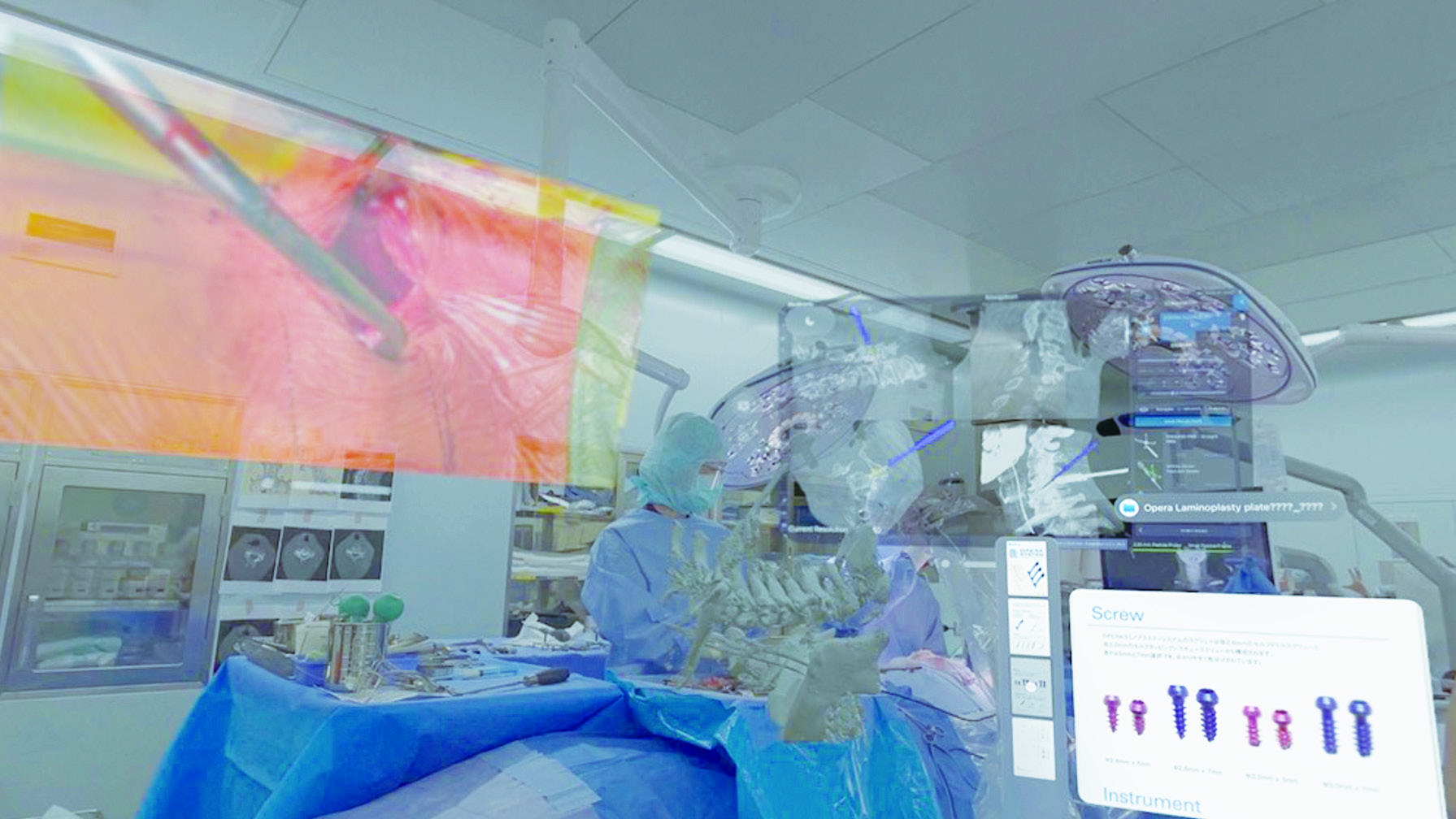
Patient-facing pages use only selected figures, while professional pages focus on planning, incision, and laminar support. Patient testimonials or overly persuasive outcome imagery are not emphasized.